

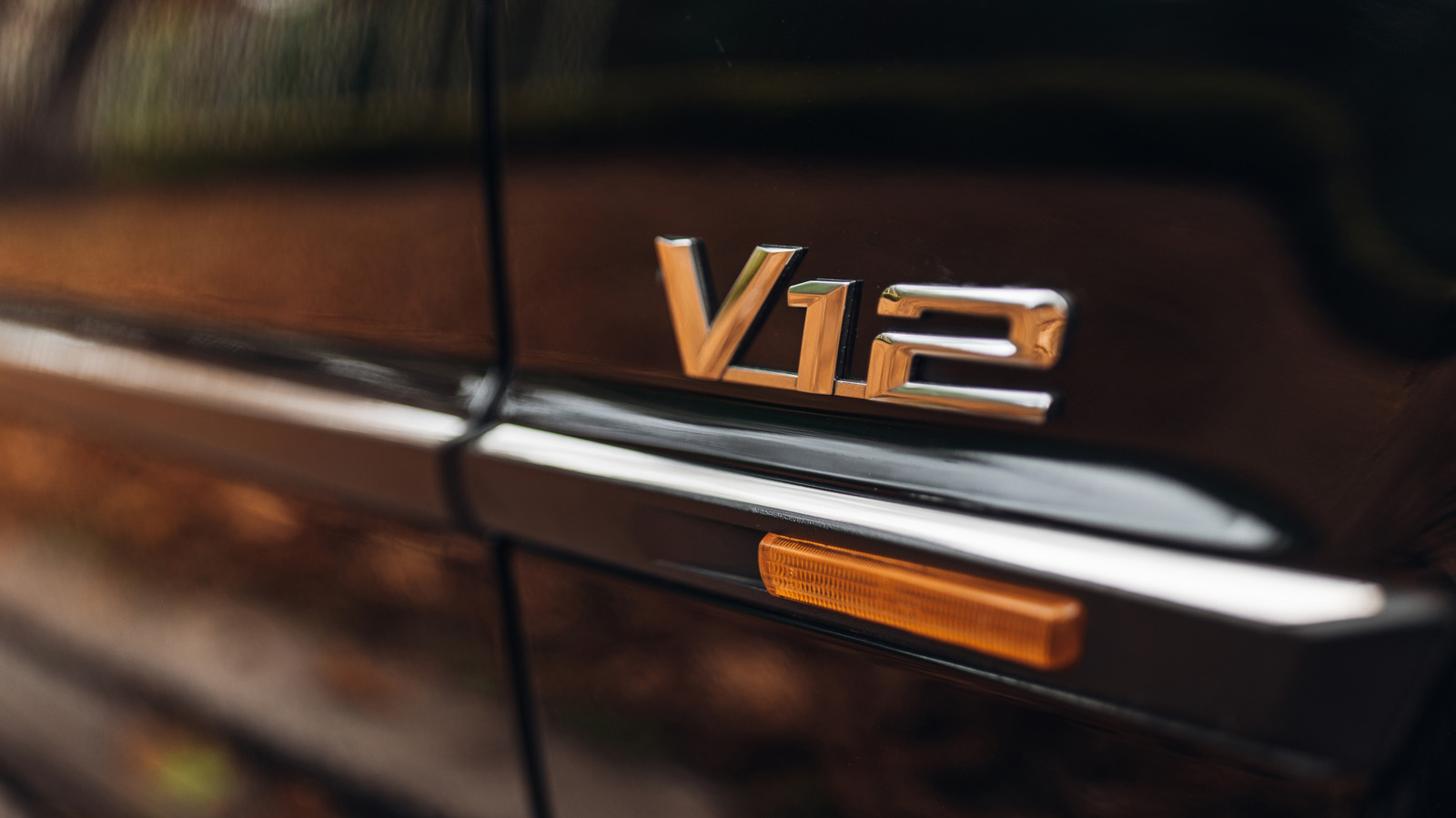
A V12 engine under the bonnet is a symbol of automotive decadence, telling the world that you’ve made it and who cares about fuel consumption. Sure, there are plenty of engines that deliver as much performance, but few that exude extravagance and luxury in quite the same way. Still, can V12s be dependable? You might assume not, given their specialized nature and low-volume production.
V12s are installed in high-end sedans and limousines, in mid-engined supercars, and in a handful of opulent SUVs and 4x4s. But they’re not that numerous in the grand scheme of production vehicles.
One of the first uses of the V12 came in 1913, when, in the UK, Louis Coatalen, the chief engineer of Sunbeam Motor Car Company, stuffed a new type of aircraft engine called the Mohawk into one of the company’s race cars. Subsequently, “Toodles V” was born: a machine which, after a few hiccups, went on to set eight world speed-over-distance records at Brooklands racetrack.
After Toodles and before WWII, V12s grew in popularity for their smoothness and power, with the North American auto industry providing the bulk of them, even during the Great Depression of 1929: think Packard Twin Six, the Auburn 12, the Cadillac V-12, and the Lincoln series K.
But when Lincoln ceased production of the V12 in 1948, that was that for American V12s. No car company has made one in the U.S. since, and production was mainly left to Europe. Ferrari made its legendary “Colombo” V12, Lamborghini’s 1963 V12 would eventually underpin the gorgeous Miura, and even Jaguar brought a 5.3-liter V12 engine to the E-Type in 1971.
There are still a few V12s in production today that you can buy with a new-car warranty, which are likely reliable, but what about those of yesteryear? Here’s a look at the most dependable.
