

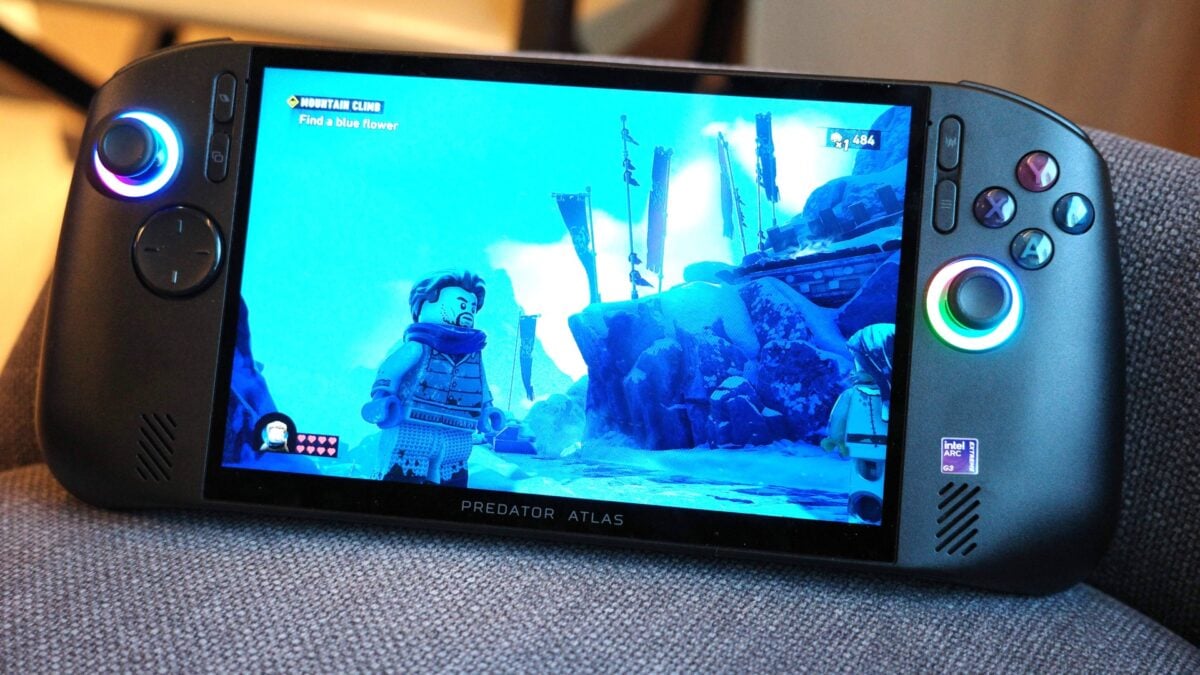
There is little reason to hold out hope for future generations of cheap gaming gadgets. Today’s case in point is the Acer Predator Atlas 8, a gaming handheld that became so popular it sold out. Now, just two weeks after launch, it costs $150 more.
The originally $1,300 Predator Atlas 8 became a hot-ticket handheld at launch, mostly because of its chip—the Intel G3 Extreme—and price point that was $500 cheaper than the similar MSI Claw 8 EX AI+ (though you may be able to find that handheld for around $1,500 in some webstores with 512GB of storage instead of 1TB). The handheld PC sold out on sites like Best Buy, only to come back in stock over the course of a few days. Then, on Wednesday, the Best Buy store listing suddenly showed the handheld cost $1,450. Gizmodo reached out to Acer for comment, and we’ll update this post if we hear back.
I’ve had the Predator Atlas 8 in hand since the start of November, and I’ll be sharing my thoughts in the near future. The price is now more expensive than an Asus ROG Xbox Ally X20, a smaller handheld with a more premium screen and controls. The main reason to buy the Atlas 8 above other handhelds on the market is for that Intel chip, which I can confirm is a far more performant processor than the AMD Ryzen Z2 Extreme found in the still-$1,000 ROG Xbox Ally X.
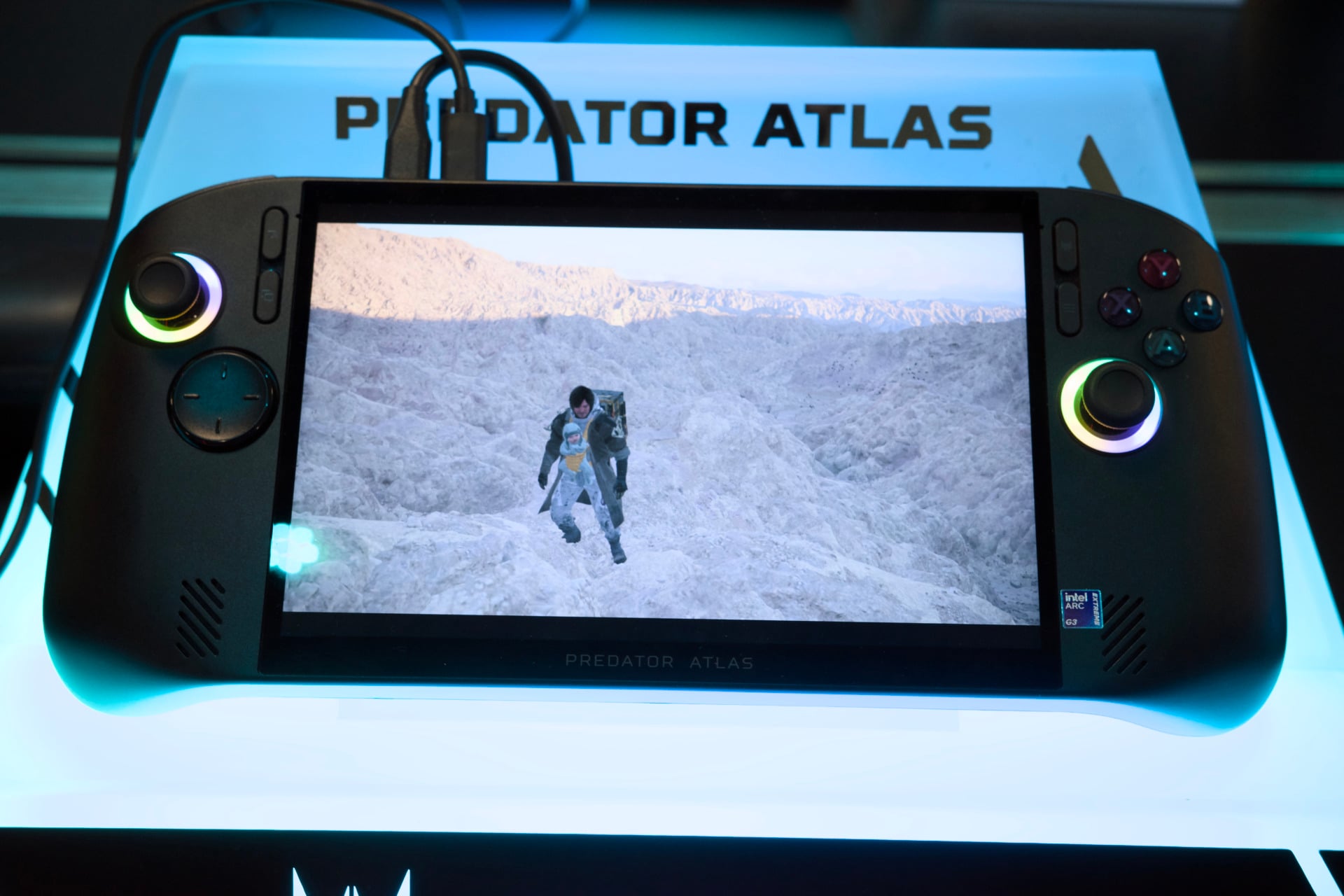
It’s unclear if the price hike is due to demand and availability or because of RAMaggeddon, but we don’t have to sit here and guess the reasons like a cultish crowd of prognosticators. Acer sometimes prefers to launch its other PC products at lower initial prices to claim a lead in early adopters. It then raises prices later to what they planned all along. Company reps told me this was their strategy with the Acer Googlebook 14, which launched for $900—less than any other Googlebook was at launch last month.
Acer also had to make use of some trade-offs for the sake of its lower price point. The handheld PC makes use of 24GB of RAM, less than the 32GB inside the MSI Claw 8. It’s only packing 512GB of storage, too, which may be a bigger hindrance to your gaming lifestyle if you plan to use the pint-sized Windows PC to play many modern AAA games. You would have to install your own microSD card to up the SSD capacity, though at least it doesn’t make use of more expensive microSD Express cards like the MSI does.
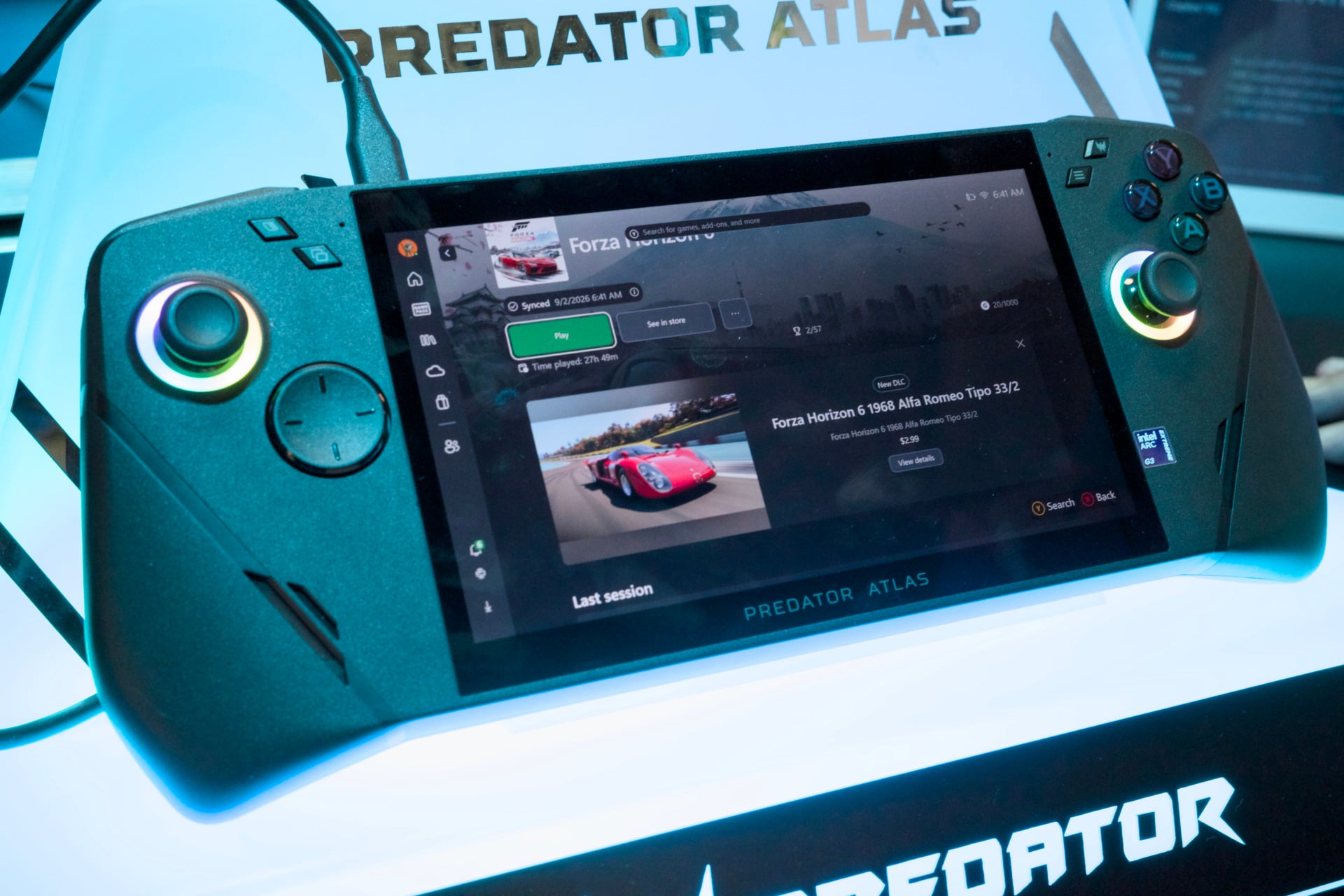
And still, even without that extra memory, Acer is struggling to keep to that obviously expensive $1,300 price point. The PC maker has other gaming gadgets in the pipeline, including a Predator Atlas 7 handheld with some of the same specs but a smaller 7-inch screen. Acer currently lists the Atlas 7 at $1,500 on its own webstore. The company has promised we’ll see a version with a less-performant Intel G3 non-extreme chip, but we’ve yet to see that device in the wild.
I’ve been working on a review of the Predator Atlas 8 since the start of November, and I can tell you the performance is where you would want it to be, but buyers may experience some overt software issues that make handling Acer’s handheld more burdensome than others available today. The real reason you get this Intel-based handheld is for performance, and it seems like to achieve those higher frame rates with today’s most portable devices, you’ll need to spend close to or more than $1,500.
