
Close Menu
H24 NewsH24 News

    Subscribe to Updates

    Get the latest creative news from FooBar about art, design and business.

    What's Hot

    Islands Cover 6% of Earth’s Land but Host 1 in 5 Bee Species

    November 20, 2026

    Did Zendaya and Tom Holland Buy a $10.8 Million Home?

    November 20, 2026

    Tom Waits Releases Rare ‘Orphans: Bonus’ Songs to Streaming Services

    November 20, 2026
    Facebook X (Twitter) Instagram
    Trending
    • Islands Cover 6% of Earth’s Land but Host 1 in 5 Bee Species
    • Did Zendaya and Tom Holland Buy a $10.8 Million Home?
    • Tom Waits Releases Rare ‘Orphans: Bonus’ Songs to Streaming Services
    • MAGA-Loving Elon Musk Says He’s ‘Not MAGA,’ Feels ‘Foolish’ Over Spending $445 Million On Dud Republican Midterm Election Campaigns
    • Qatar and Germany deepen strategic ties during emir’s Berlin visit | Politics News
    • Ray-Ban Meta Gen 3 Review: Minor Upgrades That Cost Too Much
    • Kashmir’s Textile Legacy Inspires a Sumptuous New Line of Home and Fashion Accessories
    • Trump Got Play in His Summit With Vladimir Putin and Xi Jinping
    H24 NewsH24 News
    Subscribe
    • Home
    • Top News
    • Technology
    • Entertainment
    • Lifestyle
    • Home & Living
    • Auto
    H24 NewsH24 News
    Home»Technology»Islands Cover 6% of Earth’s Land but Host 1 in 5 Bee Species
    Technology

    Islands Cover 6% of Earth’s Land but Host 1 in 5 Bee Species

    h24By h24November 20, 2026No Comments3 Mins Read
    Facebook Twitter Pinterest LinkedIn Tumblr Email
    Islands Cover 6% of Earth’s Land but Host 1 in 5 Bee Species
    Share
    Facebook Twitter LinkedIn Pinterest Email

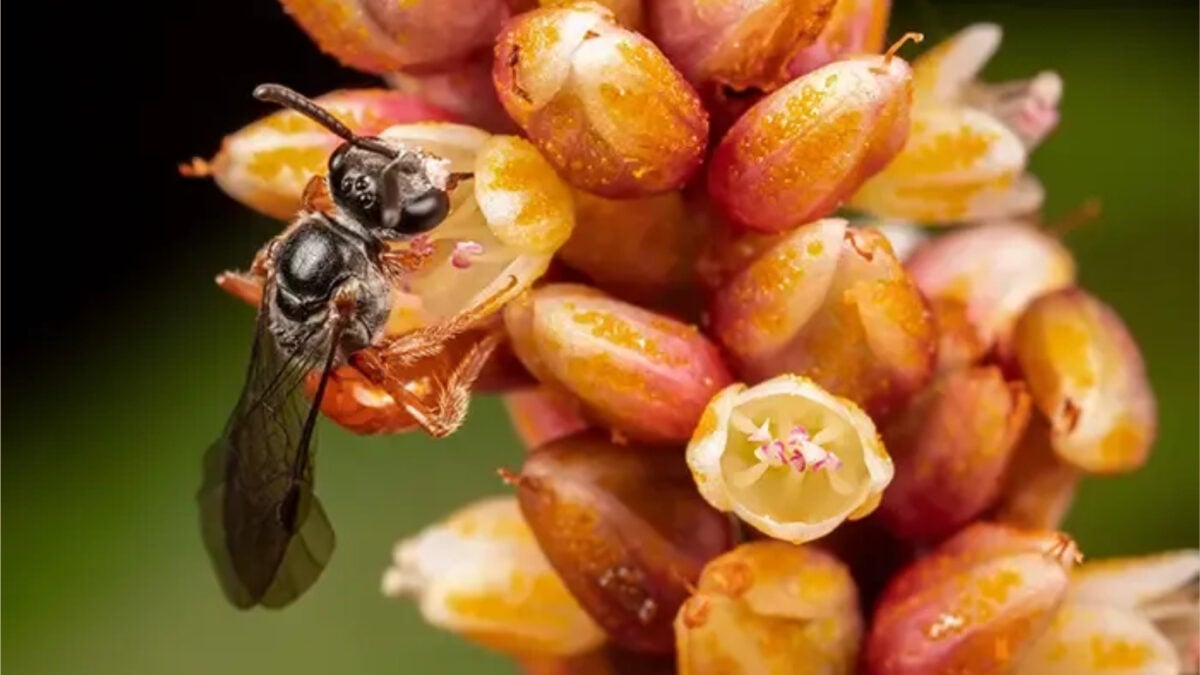
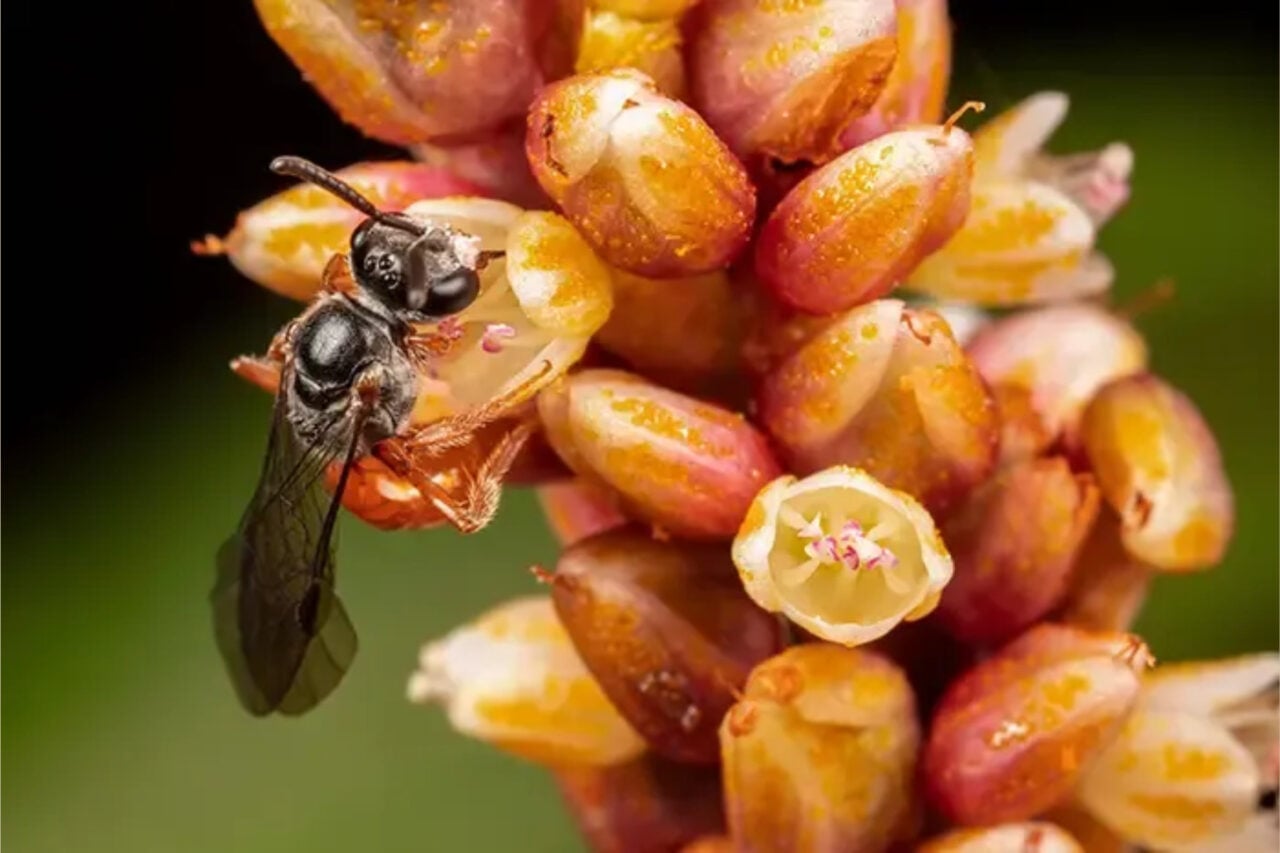
    The world has to do a better job at keeping an eye on its bees. Scientists know of around 21,000 bee species, but fewer than 600 have been assessed on the IUCN Red List.

    In this context, researchers have conducted the first global assessment of island bees. The team recorded more than 4,000 native species throughout 305 islands, as reported in a study published Wednesday in the journal Nature, and found patterns of species richness and endemism. Native species found only in one location are endemic to that place.

    “Islands account for a disproportionate share of global biodiversity, yet insects, including invaluable pollinators such as bees, remain underrepresented in island biogeography research. Here we present a global checklist of island bees, recording 4,147 species across 305 islands,” the international team, including researcher Leon Marshall, wrote in the study. Marshall studies pollinators at the Naturalis Biodiversity Center in Leiden, Netherlands.

    Islands are among the most biodiverse regions on Earth. That’s thanks to their geography. Animals on islands can evolve into different species much more easily than animals on mainlands because they develop in isolation and face less competition for resources.

    This seems to hold true for bees, too. By gathering more than 600,000 bee records, Marshall and his colleagues revealed that even though islands represent just 6% of Earth’s land surface, they host approximately one in five known bee species. What’s more, 4,128 species are native to islands. And of those thousands of species, over 1,700 of them only exist on islands.

    “Major centres of bee endemism include Madagascar, Malesia (the Greater Sundas and New Guinea) and the Hawaiian islands, where a single large radiation of Hylaeus (Nesoprosopis) dominates,” the team wrote. Hylaeus is a genus of bees, and Nesoprosopis is a subgenus. Hylaeus has produced 60 Hawaiian bee species.

    New Guinea has 286 bee species, 210 of which are endemic to the island. And while tropical islands had the highest island endemism, the scientists found the greatest richness of bee species in Mediterranean biomes. Specifically, Sicily emerged as the most bee species-rich island.

    Despite the tens of thousands of described bee species, only 542 (240 from islands) of them have been investigated on the IUCN Red List. Insects as a whole are overlooked in global conservation assessments, according to a statement.

    “These findings highlight the need to integrate island bee diversity into global conservation planning and position bees as a model for understanding insect evolution and conservation on islands,” the researchers concluded in the study.

    Bee Cover Earths Host Islands land Species
    Share. Facebook Twitter Pinterest LinkedIn Tumblr Email
    h24
    • Website

    Related Posts

    Ray-Ban Meta Gen 3 Review: Minor Upgrades That Cost Too Much

    November 20, 2026

    SpaceX lenders don’t want Elon Musk launching their collateral into space

    November 20, 2026

    Getting Into Last Year’s Trump Memecoin Dinner Took $55,000. This Weekend’s Costs Just $518.

    November 20, 2026

    Comments are closed.

    Demo
    Top Posts

    Victorian Architecture Meets Mediterranean Charm in This Warm and Whimsical London Home

    November 7, 20264 Views

    U2’s ‘Carnaval de Luz’ Album: Review

    November 8, 20263 Views

    Jensen Huang Admits Affair with Suspected Chinese Spy

    November 9, 20262 Views
    Stay In Touch
    • Facebook
    • YouTube
    • TikTok
    • WhatsApp
    • Twitter
    • Instagram
    Latest Reviews

    Subscribe to Updates

    Get the latest tech news from FooBar about tech, design and biz.

    Demo
    Most Popular

    Victorian Architecture Meets Mediterranean Charm in This Warm and Whimsical London Home

    November 7, 20264 Views

    U2’s ‘Carnaval de Luz’ Album: Review

    November 8, 20263 Views

    Jensen Huang Admits Affair with Suspected Chinese Spy

    November 9, 20262 Views
    Our Picks

    Islands Cover 6% of Earth’s Land but Host 1 in 5 Bee Species

    November 20, 2026

    Did Zendaya and Tom Holland Buy a $10.8 Million Home?

    November 20, 2026

    Tom Waits Releases Rare ‘Orphans: Bonus’ Songs to Streaming Services

    November 20, 2026

    Subscribe to Updates

    Get the latest creative news from FooBar about art, design and business.

    • About Us
    • Terms and Conditions
    • Privacy Policy
    • Disclaimer
    © 2026 H24. Designed by Webpointt.

    Type above and press Enter to search. Press Esc to cancel.